


Creating a productive home office environment is essential for anyone working remotely or running a business from home. A well-designed workspace can help increase focus, reduce distractions, and improve overall comfort, making your working hours more efficient and enjoyable. Whether you’re setting up a new office or looking to improve an existing one, these tips will help you create an environment where productivity can flourish.
Why a Good Home Office Matters
Working from home can offer flexibility, but it also comes with unique challenges such as interruptions, lack of separation between work and personal life, and potential ergonomic issues. A dedicated, organised workspace helps you mentally switch into work mode, establish routines, and maintain a healthy work-life balance.
Choosing the Right Location
Pick a Quiet Spot
Ideally, select a space away from household traffic and noise. This reduces distractions and allows you to concentrate better during working hours.
Natural Light Makes a Difference
Position your desk near a window if possible. Natural light can help improve mood and alertness, as well as reduce eye strain compared to artificial lighting.
Consider Privacy and Accessibility
A room with a door can provide privacy during important calls or deep focus periods. Accessibility to essential devices (printer, office supplies) is also important to avoid frequent interruptions.
Ergonomics: Comfort is Key
Invest in an Adjustable Chair
A supportive chair reduces the risk of back pain and promotes good posture. Look for adjustable height, lumbar support, and adequate cushioning.
Desk Height and Layout
Your desk should suit your height so your arms rest comfortably at about 90 degrees when typing. Keep frequently used items within arm’s reach to avoid unnecessary stretching.
Monitor Placement
Position your monitor at eye level about an arm’s length away to prevent neck strain. If using a laptop, consider a stand and external keyboard and mouse.
Organise Your Workspace
Declutter Regularly
A tidy desk helps clear your mind. Remove unnecessary items and keep only what you need daily.
Use Storage Solutions
Shelves, drawers, and organisers keep papers, cables, and stationery neatly contained. Label boxes or files for easier access.
Cable Management
Tidy cables with clips or sleeves to avoid a messy look and potential hazards. It also makes cleaning easier.
Create a Routine and Boundaries
Set Defined Working Hours
Establish when your workday starts and ends to maintain consistency and avoid burnout.
Communicate Your Schedule
Let household members know your working hours to limit interruptions.
Take Regular Breaks
Short breaks help maintain focus and reduce fatigue. Try simple stretches or a brief walk every hour.
Minimise Distractions
Turn off Non-Essential Notifications
Disable social media or non-work app alerts during office hours.
Use Noise-Cancelling Tools
Headphones or white noise machines can help mask distracting household sounds.
Keep Personal Devices Away
If possible, separate personal phones or tablets to maintain work focus.
Personalise Your Space
Add Plants or Artwork
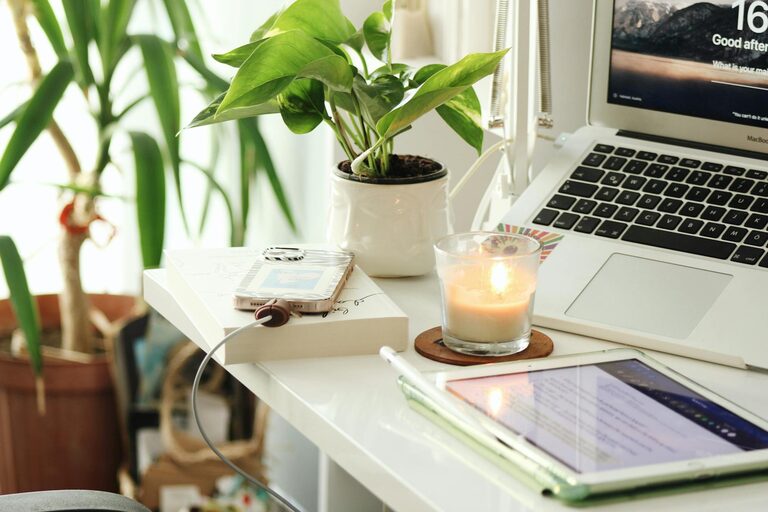
Greenery and visually pleasing decorations can boost mood and creativity.
Use Calming Colours
Soft neutrals or blues are often recommended for concentration and calmness.
Maintain Good Air Quality
Ventilate the room regularly or use an air purifier to keep the air fresh and energising.
Utilise Technology Wisely
Reliable Internet Connection
Ensure your internet speed supports video calls, cloud work, and downloads.
Backup Important Files
Use cloud storage or external drives to prevent data loss.
Productivity Tools
Apps for task management, calendars, and timers can help organise your day.
Final Thoughts
Designing a productive home office environment may take some trial and error, but the benefits are worth it. From choosing the right location and ergonomic furniture to organising your space and managing distractions, every step contributes to a more efficient and comfortable workday. Remember, a good home office supports not only your work but your well-being too. With these tips in place, you’re on your way to enjoying a successful, rewarding remote working experience.