


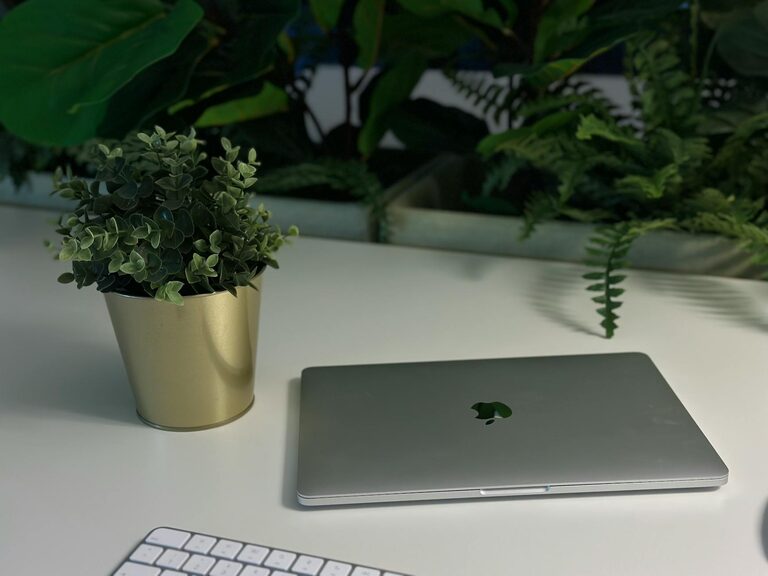
Creating a productive home office environment is essential for anyone who works remotely or spends significant time on tasks at home. Without the right setup, it’s easy to get distracted, feel uncomfortable, or struggle to maintain focus. In this guide, we’ll explore practical steps to help you design a home office that enhances your efficiency and wellbeing.
Why a Productive Home Office Matters
Working effectively from home isn’t just about having a laptop and internet connection. Your environment plays a big role in how well you concentrate and how comfortable you feel throughout the day. A well-considered home office:
– Minimises distractions
– Supports good posture and physical health
– Encourages better work habits
– Boosts motivation and creativity
Choosing the Right Location
Find a Quiet Space
Ideally, select a quiet area of your home where you can avoid interruptions. This might be a spare room, a corner of a bedroom, or a section of your living room. If others share your space, communicate your working hours to help reduce disturbances.
Consider Natural Light
Natural sunlight can improve mood and reduce eye strain. Position your desk near a window if possible, but avoid glare directly on your screen. If natural light is limited, invest in good-quality lighting to keep your workspace bright and inviting.
Investing in Functional Furniture
Ergonomic Chair and Desk
A supportive chair that promotes good posture is crucial. Look for one with adjustable height, lumbar support, and comfortable cushioning. Pair it with a desk at the right height to avoid slouching or straining your arms.
Consider Desk Space
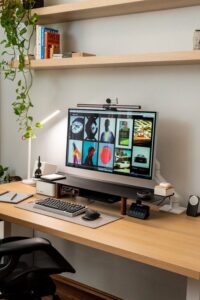
You’ll need enough space to comfortably work, place your devices, and have room for notes or reference materials. If working with multiple screens or equipment, a larger desk or adjustable sit-stand desk might be worth considering.
Organising Your Workspace
Keep Clutter to a Minimum
A tidy work area helps maintain focus and reduces stress. Use drawers, shelves, or organisers to store stationery and documents out of sight but within easy reach.
Essential Equipment
Make sure all the necessary tools are readily accessible. This includes your computer, charger, notebooks, pens, headphones, and any other items you frequently use.
Cable Management
Loose cables can create an untidy look and may be a distraction. Use cable clips, ties, or a cable organiser box to keep wires neat and safe.
Technology and Connectivity
Reliable Internet Connection
A stable internet connection is vital for video calls, file sharing, and online research. If your Wi-Fi signal is weak, consider moving closer to the router or using a wired connection.
Quality Hardware
Invest in a good monitor with adjustable settings, a comfortable keyboard, and a responsive mouse. This can improve productivity and reduce the risk of repetitive strain injuries.
Establishing Work Habits
Set a Routine
Having regular start and end times helps create clear boundaries between work and personal life. Try to stick to a schedule as closely as possible.
Take Breaks
Short breaks throughout the day boost energy and concentration. Use techniques such as the Pomodoro method, working in focused intervals with brief rests.
Personalise Your Space
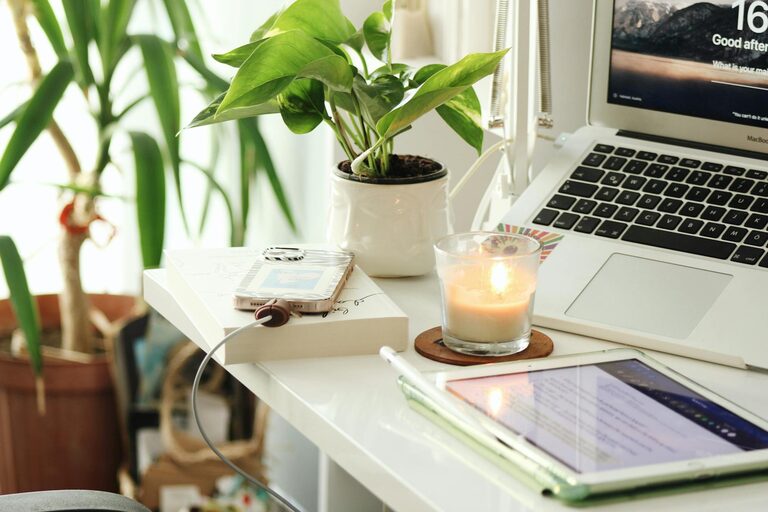
Adding plants, artwork, or items that inspire you can make your workspace more inviting. A personalised environment encourages motivation and helps reduce work-related stress.
Minimising Distractions
Sound Control
Consider noise-cancelling headphones or white noise machines if background noise is an issue. Music without vocals can also help some people focus.
Smartphone Management
Keep your phone on silent or in another room during focused work periods to avoid unnecessary distractions.
Prioritising Comfort and Wellbeing
Temperature and Air Quality
Make sure your workspace is well ventilated and at a comfortable temperature. Poor air quality or extreme temperatures can impact your ability to focus and your overall health.
Movement and Stretching
Remember to stand up, stretch, and move around regularly to promote circulation and reduce muscle tension.
Final Thoughts
Creating a productive home office environment doesn’t have to be complicated or expensive. Thoughtful choices about location, furniture, technology, and organisation can greatly improve your daily work experience. Most importantly, tailor your space and routines to what suits you personally, so your home office becomes a place where you can thrive.
With these tips in mind, you’re well on your way to crafting a home office setup that supports productivity, comfort, and job satisfaction. Happy working!