


Creating a home office that balances relaxation with productivity can be a game-changer in how you work from home. A well-designed workspace helps you focus, keeps distractions to a minimum, and allows you to feel comfortable throughout the day. Whether you have a dedicated room or just a small corner, there are plenty of ways to make your home office a place where you can be efficient without feeling overwhelmed. This article shares practical tips to help you set up a home office that supports both calm and creativity.
Choose the Right Location
Picking the perfect spot in your home is the first step. Ideally, your home office should be in a quiet area with minimal foot traffic and interruptions.
– Natural Light: Position your desk near a window if possible. Natural light can improve mood and energy levels.
– Away from Distractions: Try to avoid areas close to the television, busy kitchens, or high-traffic hallways.
– Space: Make sure there’s enough room for your desk, chair, and any equipment you need, but avoid overcrowding.
Invest in Comfortable and Functional Furniture
Comfort plays a key role in your ability to concentrate for long periods.
– Ergonomic Chair: Choose a chair that supports your back and encourages good posture.
– Desk Height: Your desk should fit your height to prevent strain on your shoulders and wrists.
– Storage: Include drawers, shelves, or filing cabinets to keep your workspace tidy and everything within reach.
Create a Clutter-Free Environment
Clutter can be distracting and stressful. A neat workspace promotes a clear mind.
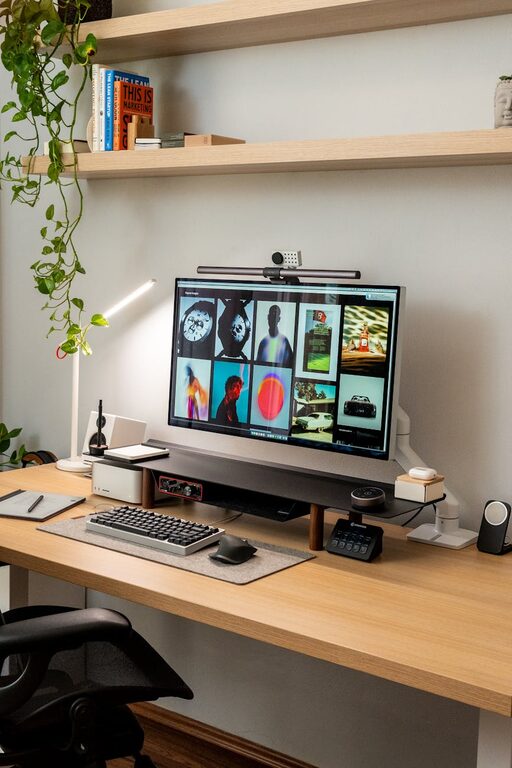
– Organise Cables: Use cable organisers to avoid tangles and mess.
– Declutter Regularly: Set aside time each week to clear unnecessary items.
– Minimal Decor: Keep items on your desk to a minimum but add meaningful objects that inspire you.
Use Calming Colours and Decor
The colours and decorations in your office can influence your mood and focus.
– Colour Palette: Soft blues, greens, or neutrals are known to promote calmness.
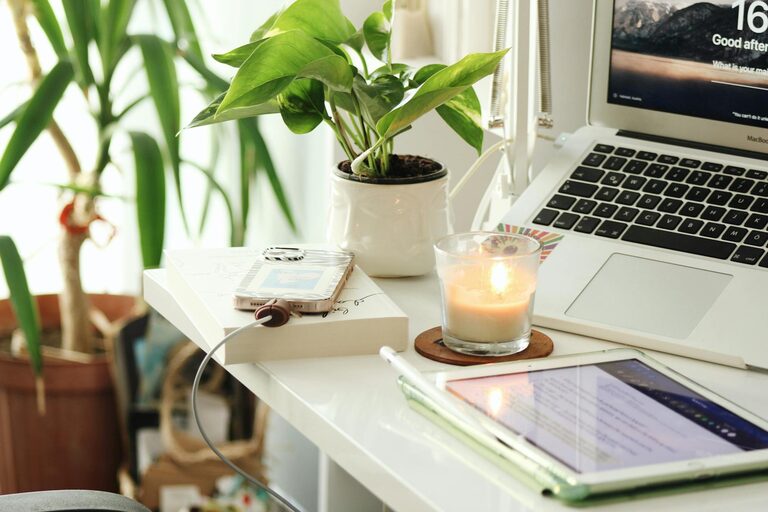
– Plants: Adding greenery brings life to the room and improves air quality.
– Personal Touches: Frame motivational quotes, art or photos, but avoid too many distractions.
Manage Lighting Effectively
Good lighting reduces eye strain and sets the right tone for work.
– Combine Light Sources: Use a mix of natural light, overhead lights, and desk lamps.
– Adjustable Lighting: Consider lamps with adjustable brightness for different tasks and times of day.
– Avoid Glare: Position screens and lights to minimise reflections on your computer.
Set Boundaries and Routines
Maintaining a routine and clear boundaries helps separate work from personal life.
– Define Office Hours: Stick to regular work hours to prevent burnout.
– Breaks: Schedule regular short breaks to stretch and refresh your mind.
– Separate Workspace: Avoid working from your bed or sofa to keep work and relaxation spaces distinct.
Utilise Technology and Tools Wisely
Using the right tools can make work smoother and more enjoyable.
– Noise-Cancelling Headphones: Useful if you cannot control background noise.
– Organisational Apps: Calendars, to-do lists, or project management tools help keep you on track.
– Quality Equipment: Invest in a good computer, monitor, and keyboard to reduce frustration.
Enhance Air Quality and Comfort
A comfortable physical environment supports concentration.
– Ventilation: Make sure the room is well-ventilated with fresh air.
– Temperature Control: Use fans, heaters or air conditioners as needed to maintain a comfortable temperature.
– Aromatherapy: Consider subtle scents like lavender or eucalyptus to promote relaxation without overpowering.
Foster Inspiration and Motivation
Keep your workspace inspiring to encourage creativity and motivation.
– Vision Board: Create a board with goals and inspirational images.
– Music or Background Sounds: Listen to calm instrumental music or white noise if it helps concentration.
– Celebrate Achievements: Display reminders of past successes to boost confidence.
Final Thoughts
Transforming your home office into a relaxing and productive haven doesn’t require a big budget or complicated plans. Small changes, such as improving lighting, reducing clutter, and setting clear boundaries between work and home life, can have a noticeable impact on your wellbeing and efficiency. Tailor your space to suit your needs and personality so that it becomes a place you look forward to spending time in every day. With the right setup, working from home can be both enjoyable and effective.