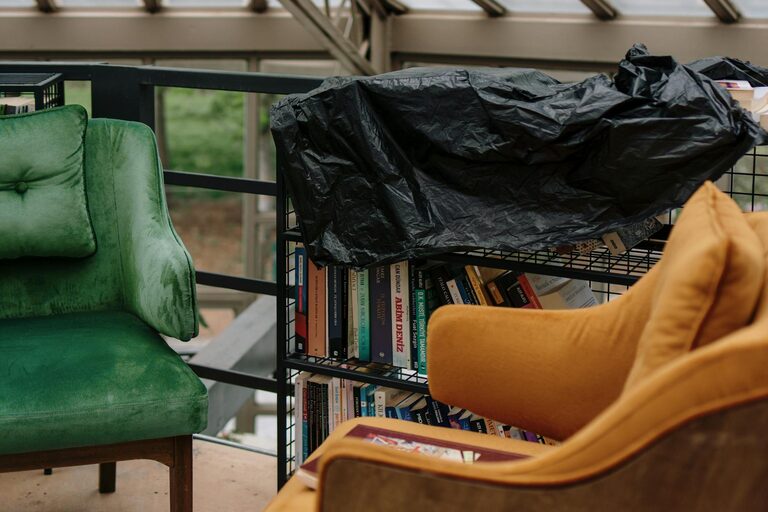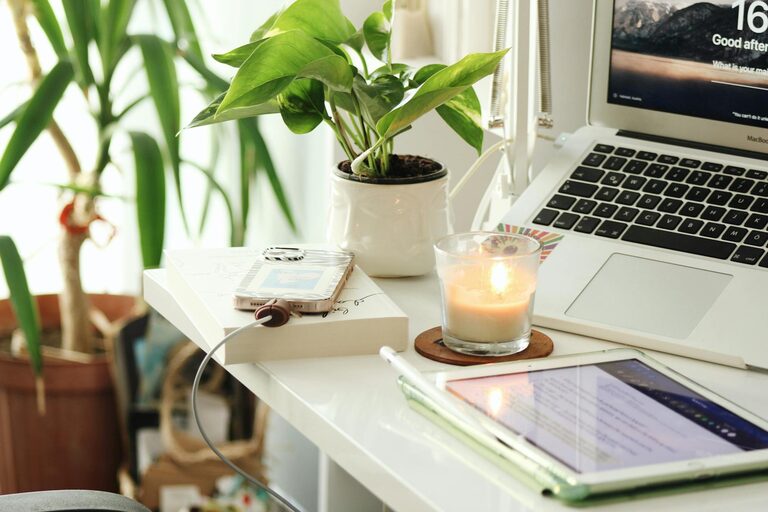



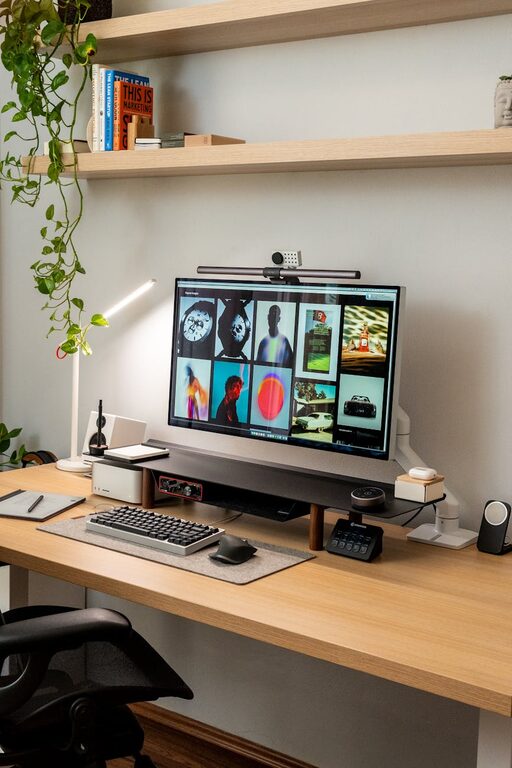
Creating a relaxing home workspace is essential for maintaining focus and reducing stress, especially as more people work remotely or spend significant time at home. A well-designed, calming environment can enhance productivity and improve overall wellbeing. If you’re looking to revamp your workspace, here are some helpful tips to create a peaceful and efficient area tailored to your needs.
Why a Relaxing Workspace Matters
A calming workspace encourages focus and creativity, helping you to stay motivated throughout your workday. Stressful or cluttered environments can drain energy and reduce your effectiveness. In contrast, a tidy, thoughtfully arranged area invites concentration and comfort.
Choose the Right Location
Selecting the ideal spot in your home is the first step. Ideally, choose a quiet area with good natural light. Avoid high-traffic zones where noise or distractions are common. If space is limited, consider using noise-cancelling headphones or room dividers to create a sense of separation.
Prioritise Natural Light and Ventilation
Natural light positively affects mood and alertness. Position your desk near a window if possible. If natural light is scarce, invest in daylight-mimicking bulbs. Fresh air is also important, so open a window regularly or use an air purifier to keep the environment fresh.
Invest in Ergonomic Furniture
Comfortable furniture supports your health and helps prevent strain. An adjustable chair with good lumbar support is vital. Your desk should be at a height that allows your arms to rest comfortably. If long hours are common, consider an adjustable sit-stand desk to vary your posture throughout the day.
Keep It Organised and Clutter-Free
A tidy workspace reduces distractions and stress. Use storage solutions such as shelves, drawers, and organisers to keep documents and supplies neatly stored. Regularly declutter your desk, keeping only essentials within reach. A clean space contributes to a clear mind.
Add Personal Touches
While keeping things uncluttered, personalising your workspace adds comfort and motivation. Display a favourite photo, a small plant, or artwork that inspires you. Choose calming colours for decorations, like soft blues or greens, which promote relaxation.
Use Calming Colours and Textures
Colour psychology plays a role in mood and productivity. Soft, neutral tones such as pale greys, blues, and earthy greens create a tranquil atmosphere. Incorporate natural textures through wooden furniture or fabric cushions to add warmth to the room.
Control Noise Levels
Background noise can be distracting or relaxing, depending on preference. Use soft furnishings like curtains and rugs to absorb sound. Alternatively, white noise machines or gentle instrumental music can help mask disruptive sounds and aid concentration.
Incorporate Plants for Freshness and Wellbeing
Adding plants to your workspace brings life and fresh air, which can boost mood and productivity. Low-maintenance varieties like succulents or spider plants are ideal for busy schedules. Arrange them on shelves or your desk to make the space more inviting.
Set Boundaries for Work and Rest
It’s important to separate your work area from relaxation zones in your home. This mental boundary helps you switch off after work hours and reduces burnout. Avoid working from your bed or sofa and try to keep work materials confined to your desk area.
Take Regular Breaks and Move
Design your workspace to encourage movement. Keep a water bottle nearby to stay hydrated and place reminders to stretch or walk around. Physical activity helps prevent stiffness and refreshes your mind throughout the day.
Utilise Technology Wisely
Technology can improve productivity but also cause distractions. Use apps or tools that block unnecessary notifications during work periods. Keep cables organised and devices charged to maintain a neat environment.
Lighting for Evenness and Comfort
Ensure your workspace has appropriate lighting to reduce eye strain. Complement natural light with adjustable desk lamps equipped with warm bulbs. Avoid glare on screens by positioning monitors away from direct light sources.
Final Thoughts
Designing a relaxing home workspace doesn’t require a major overhaul. Focusing on comfort, organisation, lighting, and personal touches can make a big difference. Tailor your environment to your unique needs and preferences, and you’ll find working from home more enjoyable and productive. Start small, and gradually build a space that supports your best work and wellbeing.